Why are people attracted to vegetarianism? Some just want to live longer, healthier lives. Others have made the change to preserve the earth’s natural resources or because of their great love for animals and their ethical opposition to eating meat.
Thanks to a wealth of scientific research demonstrating the health and environmental benefits of a diet based on plant foods, many governments recommend that we consume the majority of our calories from grains, vegetables and fruits.
And no wonder: An estimated 70% of all diseases, including a third of all cancers, are diet-related.
A vegetarian diet, therefore, reduces the risk of chronic degenerative diseases such as obesity, heart disease, high blood pressure, type 2 diabetes and certain cancers such as colon, breast, prostate, stomach, lung and esophagus.
What is vegetarianism?
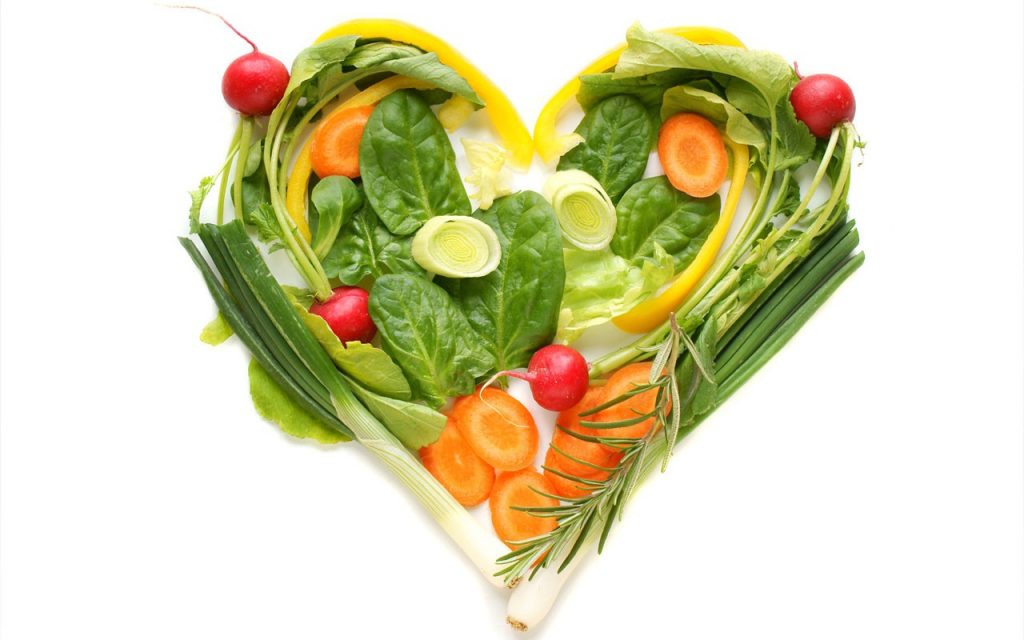
Vegetarianism is not a temporary fad, it is a lifestyle. It involves changing our diet to feel better about ourselves. It basically consists of eating plant-based foods, fruits and vegetables, along with moderate amounts of eggs and dairy products, avoiding meat at all costs.
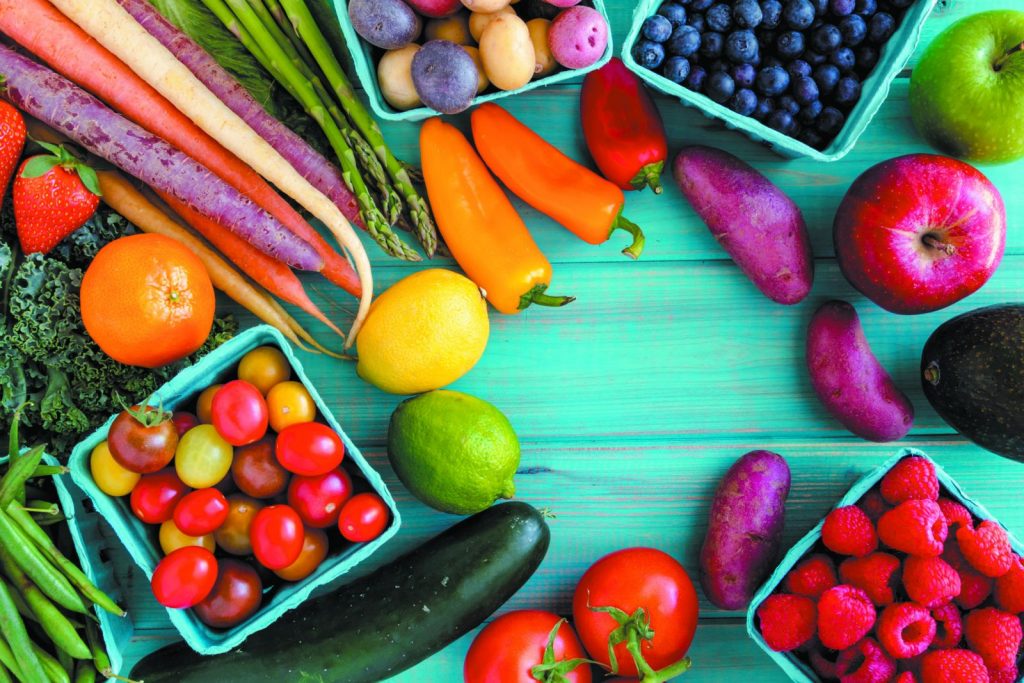
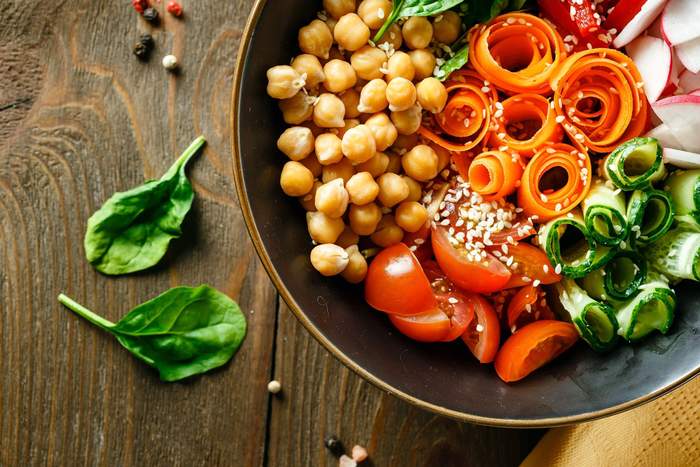
The basic supplies of a balanced vegetarian meal include a variety of plants such as fresh or cooked vegetables, fruits, nuts, seeds, whole grains and legumes.
Today, there are several styles of vegetarianism, roughly the most common being
Ovo-Lacto Vegetarian: A “strictly” vegetarian diet consists of plant-based foods, but can also include eggs and dairy products. Generally, those who follow the ovo-lacto vegetarian diet, will not include meat or fish.
Pescetarian: This type contains fish and seafood along with a variety of foods such as vegetables, fruits, nuts and grains that are high in fiber. Most also include eggs and dairy products, but not poultry, beef or pork.
Vegan: Those who follow a vegan diet avoid all animal products and consume only plant-based foods. Some vegans choose to take things a step further and stick to a “raw food diet.
This may sound a little extreme, but if you look at the foods that most people include in their diet, you will realize that adding raw supplies can be a benefit to the body and health in general.
However, keep in mind that this is not optimal for everyone, especially those at risk for problems with the intestines.
Health Benefits of Being a Vegetarian
1. You’ll avoid getting sick: These types of diets are healthier than standard ones, especially when it comes to preventing, treating or reversing heart disease and reducing the risk of cancer.
A low-fat, vegetarian diet is the most effective way to stop the progression of coronary artery disease or prevent it altogether, as it tends to lower cholesterol levels.
2. Keep your weight down: It is well known that those who ate a vegetarian diet, were able to control their weight more easily.
A study conducted by Dean Ornish, MD, president and director of the Preventive Medicine Research Institute in California, found that overweight people who followed a low-fat diet, lost an average of 24 pounds in the first year and maintained that weight 5 years later.
3. You’ll live longer: Those who leave behind their meat-eating habits will be able to add about 13 healthy years to their lives. Animal products clog arteries, deplete energy and slow down the immune system. Meat eaters also experience cognitive and sexual dysfunction and skin damage at an earlier age.
4. You will have stronger bones: When there is not enough calcium in the bloodstream, our bodies suck it out of the existing bone.
People who are slightly lactose intolerant, can often enjoy small amounts of byproducts such as yogurt, cheese and lactose-free milk.
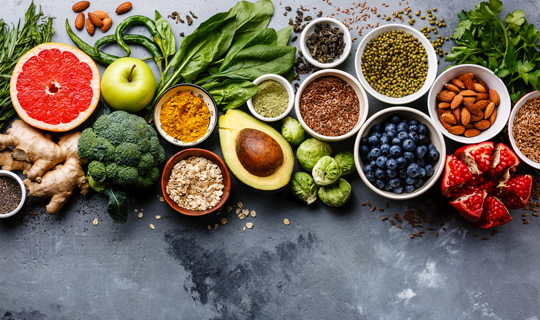
But if you must avoid them altogether, you can still get a healthy dose of calcium from dried beans, tofu, soy milk, and dark green vegetables such as broccoli, kale, cabbage, and spinach leaves.
5. You will reduce the risk of foodborne illness: Protein-rich foods such as meat, poultry, fish and seafood, are commonly implicated in moderate to severe disease outbreaks.
6. You will relieve the symptoms of menopause. Since phytoestrogens can increase and decrease estrogen and progesterone levels, maintaining a balance of it in your diet will help ensure a more comfortable stay through menopause.
Soy is the most abundant natural source of phytoestrogens, but these compounds can also be found in hundreds of other foods that are also sources of vitamin B12 such as apples, beets, cherries, dates, garlic, olives, plums, raspberries, pumpkins, and yams.
7. You will have more energy: Good nutrition generates more useful energy. Balanced vegetarian diets are naturally free of animal products with cholesterol that cause arterial blockages, which physically slow us down and keep us from falling asleep in the morning.
8. You will be more regular: Eating a lot of vegetables necessarily means consuming more fiber, which pushes waste out of the body. People who eat lower on the food chain tend to have fewer cases of constipation and hemorrhoids.
9. You’ll contribute to the animals: Many vegetarians give up meat because of their concern for animals. Unfortunately, they spend their entire lives in cages or pens so small, they can’t even turn around.
That’s why by eliminating meat from your diet, you’re making a positive contribution to the environment.
10. You will help reduce pollution: Some people become vegetarians after realizing the devastation the meat industry has on the environment.
Agricultural activities that cause contamination include confined animal facilities, plowing, pesticide spraying, irrigation, fertilizing, and harvesting.
11. You can reduce the risk of diabetes: According to the Public Health Faculty at Loma Linda University, vegetarian diets are associated with a significant reduction in the incidence of diabetes.
12. You will save money: Meat accounts for 10% of Americans’ food expenses. Eating vegetables, grains, and fruits instead of the 200 pounds of beef, chicken, and fish each person eats annually, would reduce individual food bills by an average of $4,000 per year.
Note: This material is for information purposes only and is NOT intended to provide medical advice. Neither the publishers, nor the author, nor the editor, assumes any responsibility for the possible consequences of any treatment, procedure, exercise, dietary modification, action or application of medication resulting from reading or following the information contained in this information.
Publication of this information does not constitute the practice of medicine and this material does not replace the advice of your physician or other health care provider. Before embarking on any course of treatment, the reader should consult his or her physician or other health care provider.

About Zoryham
Zoryham is a Political Scientist who has been a freelance writer and radio broadcaster for several years. Her niches include Music, Wellness, Healthy Lifestyle, Yoga, Personal Development, Animals and Product Reviews. When Zoryham is not writing, you can find her listening to a Rolling Stones album, her favorite band.