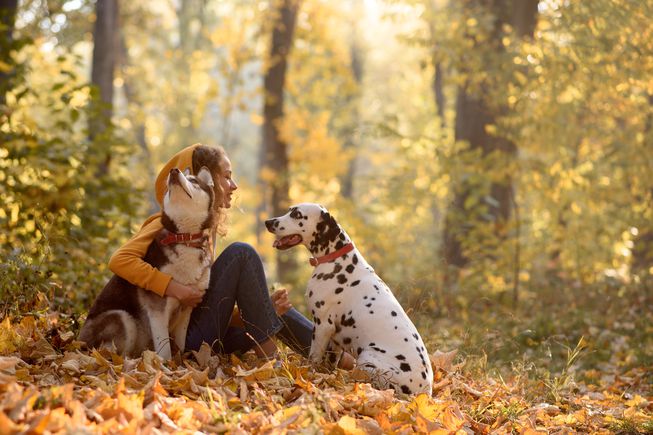
The dog is without a doubt man’s best friend, however, these furries can occasionally give us more than one headache. When we go for a walk with them, they get restless at the sight of another animal and may pull the leash, which leads to danger for both him and us.
If you want to have more pleasant and non-pulling walks, then you should know the best dog harnesses that will make him feel free and confident.
Any day is a good day for you to enjoy a walk outdoors with your dog, either in the park or on the beach.
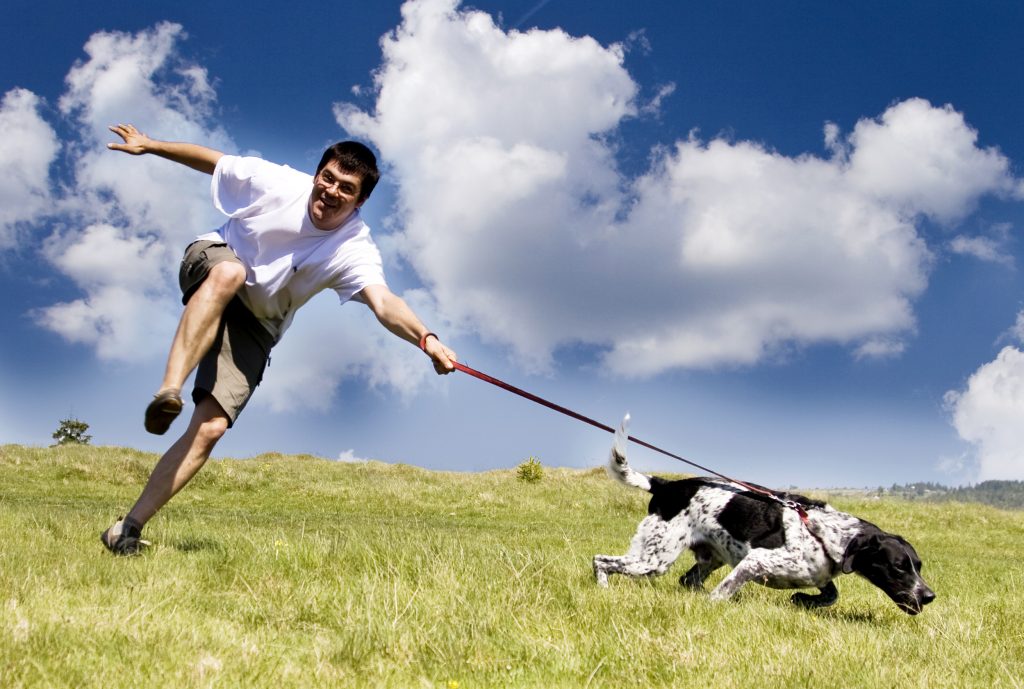
It doesn’t matter if your furry friend is as robust as a bulldog, or as small as a Chihuahua, they will always find a way to pull on the leash too hard, causing them momentary suffocation and us, strong pains in the shoulder or arm.
If this is your case, then maybe you should think about putting the dog collar aside and getting a nice harness that will give him more comfort and independence. But what should we consider when choosing the perfect one for our friend? Here I tell you.
How to choose a dog harness?
Being in control of your pet during walks is essential for everyone’s happiness and safety. Body harnesses are a great tool because of the comfort and adaptability they offer.
There are hundreds available, many of which vary in style and function. With this wide range, we must ask ourselves how to find the most suitable one?
In the experts’ opinion, first of all, you need to decide what the main purpose for buying the sling will be since you can use them for multiple purposes such as
- Daily walks or runs
- Anti-dragging
- Training
- Tracking
- Guidance and assistance
- Rehabilitation after surgery
After having very clear this, you must choose the material that suits you best, either nylon or leather.
Nylon is more economical and it is perfectly adapted to walking in humid weather such as when it is raining or snowing. On the other hand, leather is a natural material that does not affect your pet’s health.
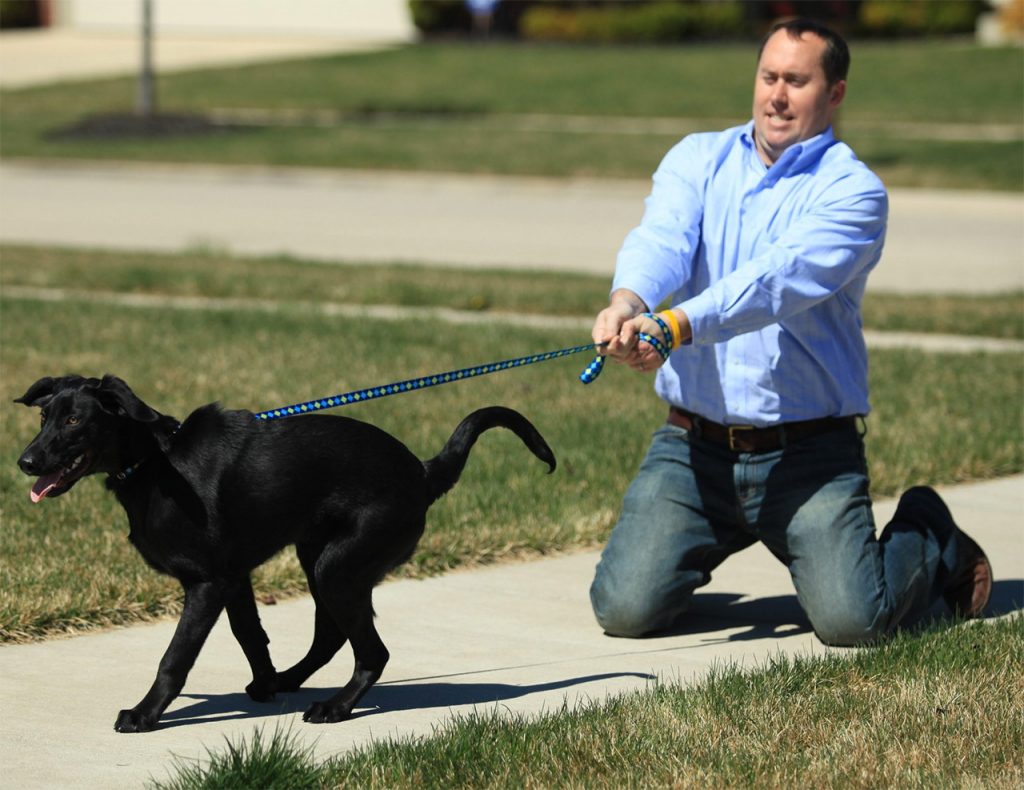
As you can see, there are several types of harnesses made of many different materials and which have been designed to fulfill very specific functions. Let’s examine each one of them in detail together, so that you can make the best decision when acquiring the one that best suits your friend.
Types of dog harnesses
Before we do a checkup, we need to know your friend’s size. To do this, we will use a flexible tape measure or string length, then you must measure the perimeter of his chest just behind his front legs, leaving the back legs completely free.
Add two inches to this size to allow for the hook, loop or any adjustment. Some manufacturers may have a weight rating for their harnesses, so you should also know your dog’s weight.
Harnesses can be divided into three main categories, these are:
Roman harnesses
These are traditional and probably the most common type available. They come in a wide variety of materials, are fastened around the perimeter of the dog’s chest and also have a collar as a complement that fits around the neck with a material that connects both.
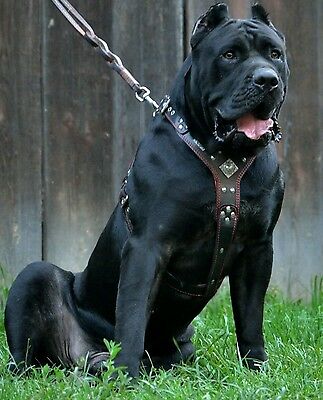
They usually have multiple points of adjustment, so they can adapt to a wide variety of breeds.
Step-In Harnesses
This type usually has a figure of 8 and attaches easily to your dog.
As its name suggests, it is placed across the head, with its front legs fitting and the straps going around the circumference and front of the chest, with the buckle or clip connection at the top.
Anti-pull harnesses
These offer greater control for dogs who want to pull hard, also has a circular strap that attaches around the chest behind the front paws and adheres through the collar.
When your friend tries to pull with this type of chest strap on, he will be forced to turn around, preventing annoying pulls.
Within these three main types, there are subdivisions that you should consider to make an informed and responsible decision when acquiring the most suitable one.
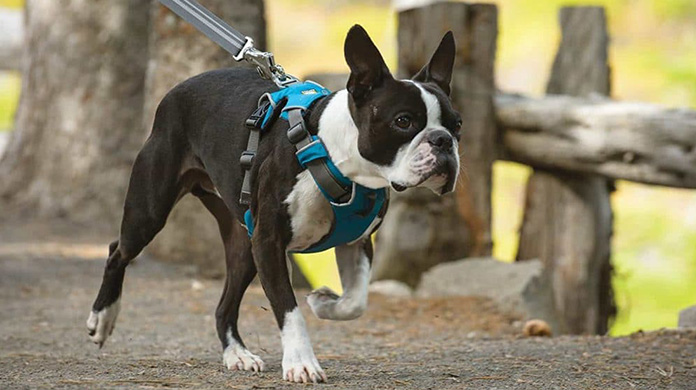
Back clip harness
In this model, the ring in which the leash is inserted is located on the top of the dog’s back.
They are excellent for walking and especially useful for small animals with delicate throats that could easily be injured by the use of collars.
They are easy to put on and comfortable for the little animal, the leash does not get tangled up under the front legs as often as with collars and are available with decorative patterns, ornaments and bright colors.
If you wish, you can combine the use of the harness with the leash that will make your little furry friend feel freer to explore and sniff during the walk.
Front clip harness
These styles have the leash attachment in the center of the dog’s chest.
Trainers often choose this type to reduce the pull on the animal. The chest clip gives human control over the direction the dog needs, making it redirected if necessary.
If your dog has behavioral problems or is very aggressive, it may need a walking tool that offers additional control such as a muzzle.
A downside is that the strap on the front of the chest may become entangled under the front legs if it is too loose.
Tightening harness
This model tightens and adds pressure if the dog pulls, causing the drag to decrease or stop. However, you must check the type of fit as some variations may cause severe pain, which is not recommended.
If you wish to buy this model, make sure you apply gentle pressure. It is very useful to wear while training the animal to walk on a loose leash.
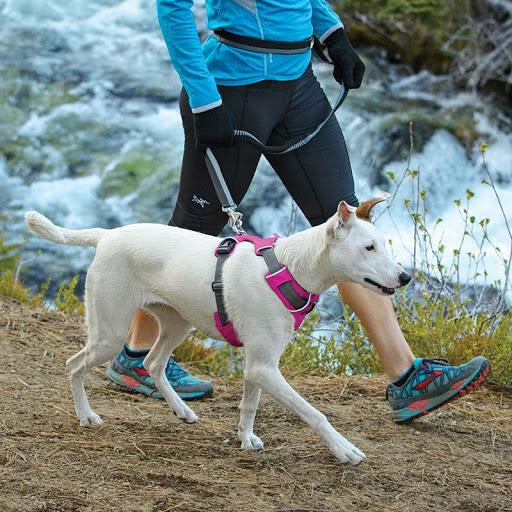
It can also be a lifetime tool if the human prefers to walk his friend with a harness instead of a collar.
You must be very careful as some tightened harnesses can cause pain, leading to possible negative associations with this element, as well as with other dogs and people.

About Zoryham
Zoryham is a Political Scientist who has been a freelance writer and radio broadcaster for several years. Her niches include Music, Wellness, Healthy Lifestyle, Yoga, Personal Development, Animals and Product Reviews. When Zoryham is not writing, you can find her listening to a Rolling Stones album, her favorite band.