Cannabis, a noble plant that has been stereotyped and vilified over the years… But it seems that the course of time has proved its thousands of fans to be right.
Every day, more and more governments are coming together to accept its almost miraculous benefits and to include them in the legislation as permitted drugs
Many are the products that are derived from it, including the famous CBD oil, that has been in vogue for some time now due to its countless healing properties.
So, if you have curious about the CBD oil, you have come to the right place. Here is all you need to know.
What is CBD oil?
Cannabidiol or CBD, is one of the most important chemical components present in the cannabis or hemp plant; it is an organic combination that is insoluble in water at room temperature.
Where does CBD oil come from?
CBD oil is normally extracted from the resin glands of cannabis buds and flowers (marijuana). It can also be extracted from hemp, which is a fibrous industrial form of cannabis that has small buds and a concentration of tetrahydrocannabinol or THC of 0.3% or less.
CBD is one of over 85 cannabinoid chemicals in the cannabis plant, the second most common.
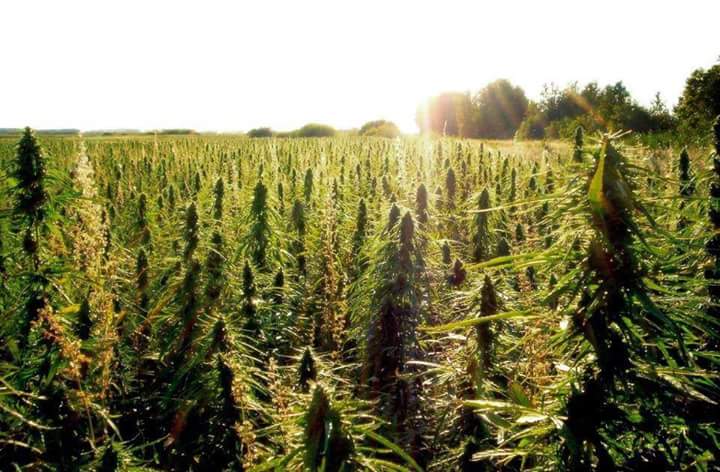
While THC is considered the best-known cannabinoid, CBD produces different effects that make it a more viable and versatile compound.
In recent years, the demand for CBD has increased. That is why producers are working hard to find new strains to help produce pure crops that do not contain traces of THC.
CBD oil benefits
One of the questions about CBD oil that people ask most is about its benefits. The truth is, the range of diseases it is capable of treating is so vast, that many users consider it a truly miraculous product.
The most well-known benefits of this oil are related to helping relieve diseases such as ADHD, addictions, allergies, Alzheimer’s disease, anxiety, arthritis, asthma, autism, cancer, cardiovascular disease, Crohn’s disease, dementia, depression, diabetes, obesity, liver disease, menopause, and mood swings, multiple sclerosis, nausea, pain and inflammation, Parkinson’s disease, depression and anxiety in animals, premenstrual syndrome, psoriasis, seizures, some sexual problems, skin conditions, insomnia, abstinence from smoking, some sports trauma, stress, recovery from a stroke and sunburn, among others.
Let’s find out a little more about what pure CBD oil can do for you.
CBD oil for pain
It is well known that CBD activates and enhances the body’s nervous system responses, through the endocannabinoid system.
This system contains two major types of cannabinoid receptors, called CB1 and CB2, and although the relationship between CBD and these receptors is not yet fully understood, cannabidiol is known to be able to influence them in ways that produce a variety of therapeutic results.
Many people use CBD to relieve chronic pain in diseases such as osteoarthritis, rheumatoid arthritis, cancer, multiple sclerosis, or neuralgias, such as sciatica.
Its analgesic properties are combined with an anti-inflammatory effect that is interesting for various disorders such as renal fibrosis, metabolic syndrome, overweight, obesity, and diabetes.
CBD oil for anxiety
CBD is well known for helping people with anxiety disorders. Neurotherapeutics published in 2015 a report “to determine the potential of CBD against anxiety, that is, as a treatment for anxiety-related disorders”, finding that “CBD has considerable potential as a treatment for multiple anxiety disorders given its anxiolytic, and anti-compulsive properties, as well as a decrease in conditioned fear expression, increased fear extinction and prevention of long-term anxiolytic effects caused by stress”.
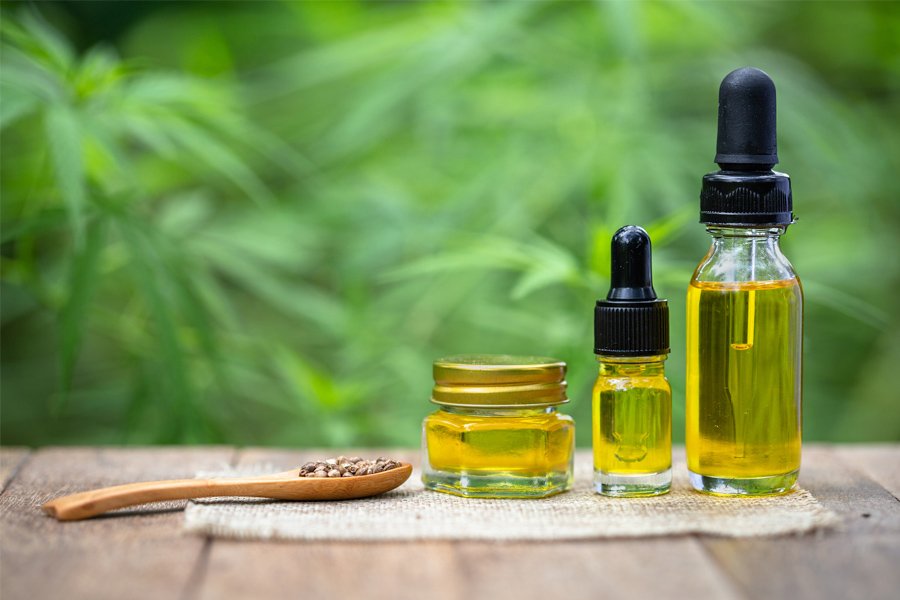
Although more research is still needed to fully understand the effects that CBD has on anxiety, current scientific studies do find that CBD oil increases the absorption of serotonin through the 5-HT1A receptor, which induces a sense of calm and well-being.
Can CBD oil help with depression?
CBD oil has been found to act faster than regular antidepressants, which means that this oil may be the most sensitive, healthy, and natural alternative for people with anxiety, and therefore it would not be surprising if it overcomes the use and limitations of conventional treatment options available today.
Studies, such as the one by R. de Mello Schier et.al., describe CBD as a potential tool to help in depressive processes, stress processes, and anxiety as it can interact with the endocannabinoid system. This system is related to the receptors and neurotransmitters that help control most of the body.
When the best CBD oil is introduced into the body, it goes into the endocannabinoid system where the CB1 receptors can interact with the cannabinoids.
During this process, neurons in the central amygdala, where anxiety and stress are controlled, become less active. Normally, self-regulation allows the body to maintain its own rhythm and cortisol level, but constant pressure severely impairs this regulation.
However, it is good to keep in mind that CBD is not a magical solution to our problems because it is well known that unfortunately, people with depression have fewer signaling agents such as dopamine and serotonin.
These hormones play an important role in terms of happiness, self-esteem, mood, and mental balance. If the receptors for these messengers are depleted, this means you could be suffering from depression.
CBD oil side effects
All medicines have some side effects, which may or may not affect us, depending on each particular organism.
The most common adverse effects found in the studies were drowsiness, decreased appetite, vomiting, and diarrhea.
In an open trial on the use of CBD (n = 162) in patients with treatment-resistant epilepsy, the following side effects occurred in more than 5% of patients: drowsiness, decreased appetite, diarrhea, fatigue, seizures, changes in appetite, status epilepticus, lethargy, changes in concentration of concomitant antiepileptic drugs, gait disturbances and sedation.
The study authors stated that most of the reported adverse effects were mild or moderate and of a transient nature.
Serious side effects requiring emergency treatment included: status epilepticus (6%), diarrhea (2%) and (in some 3% of patients) weight loss, seizures, decreased appetite, lethargy and pneumonia.
Are CBD oil addictive?
“There is preliminary evidence that CBD may be a useful treatment for medical conditions […] epilepsy, anxiety, inflammatory diseases, pain, nausea, etc…”
This is the view of the World Health Organization’s Expert Committee on Drug Dependence. This committee met in Geneva (Switzerland) from 6 to 10 November 2017 to analyze the therapeutic potential, adverse effects and potential dependence of CBD.
The organism published a report where the conclusions of the professional experts in cannabidiol are gathered, where besides recognizing the potential of CBD in the treatment of epilepsy and other diseases, it reminds that “it is not listed in the International Conventions of Drug Control of the United Nations of 1961, 1971 or 1988”. This means that the United Nations does not consider this Cannabis cannabinoid a drug.
The report also states that CBD is neither addictive nor harmful to health: According to animal studies, no tolerance has been identified and no studies have been reported that point to physical dependence.
Regarding the consequences of the potential abuse of this cannabinoid, according to the intracranial stimulation analyzed in mice, no adverse effects have been found from the abusive use of CBD.
From the medical studies carried out with humans, it is extracted that CBD awakens the same addiction as the placebo. And that cannabidiol alone does not produce any significant psychoactive or cardiovascular effects. They also conclude that CBD does not produce any negative consequences for abuse.
Best CBD oil
With the increase in scientific research into the therapeutic potential of marijuana and the growing flexibility of cannabis legislation in many countries, it is not at all unusual for the medical cannabis sector to be booming. Experts estimate that the market for CBD oils and similar cannabidiol products will soon reach $13 billion.
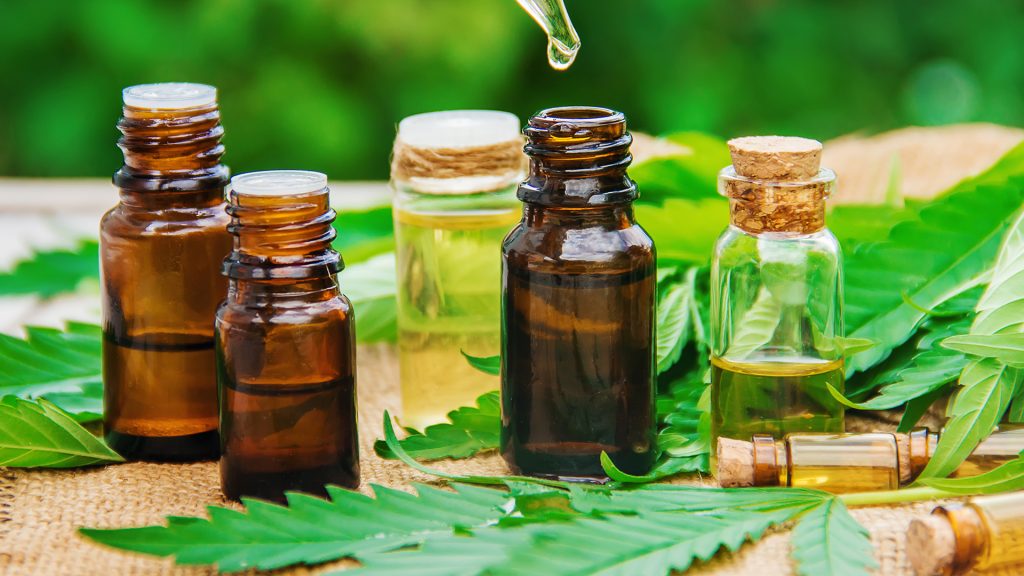
If you are embarking on this adventure for the first time, you should know that these oils are available in varying concentrations and their manufacturing processes differ widely. More importantly, the quality and purity of CBD oils, and therefore their effectiveness, varies from product to product.
Some important recommendations are:
Choose the right concentration for you
These products are available in different forms, either in bottles or capsules and also in different concentrations. The concentration is usually expressed on the label as milligrams or percentage.
It is always best to start with the lowest dose, observe the effects this has on our body within days or weeks and then there, increase it little by little if you consider it necessary.
Full-spectrum CBD vs. isolated CBD
There are two main types of CBD oils on the market, those made from almost pure isolates or crystals and those that are full-spectrum, the latter containing additional active compounds.
Pure CBD oil isolates were once considered the standard for non-psychoactive cannabis therapy, but today there is evidence that full-spectrum oils provide additional advantages because they contain other cannabinoids such as CBN and CBL that work synergistically with CBD through a natural process called the entourage effect.
Choosing the right one will only depend on you and your needs as both will offer advantages. You can try one for a few weeks and then switch to the other, so you can see what works best for your body.
CBD oil or Hemp oil?
This can be confusing for some people, especially if you are new to cannabis. Knowing the difference between hemp oil and CBD oil is really important as their use and effects differ.
CBD oil has a high cannabidiol level and is made from hemp flowers, leaves and stems and not from hemp seeds as is the case for hemp oil.
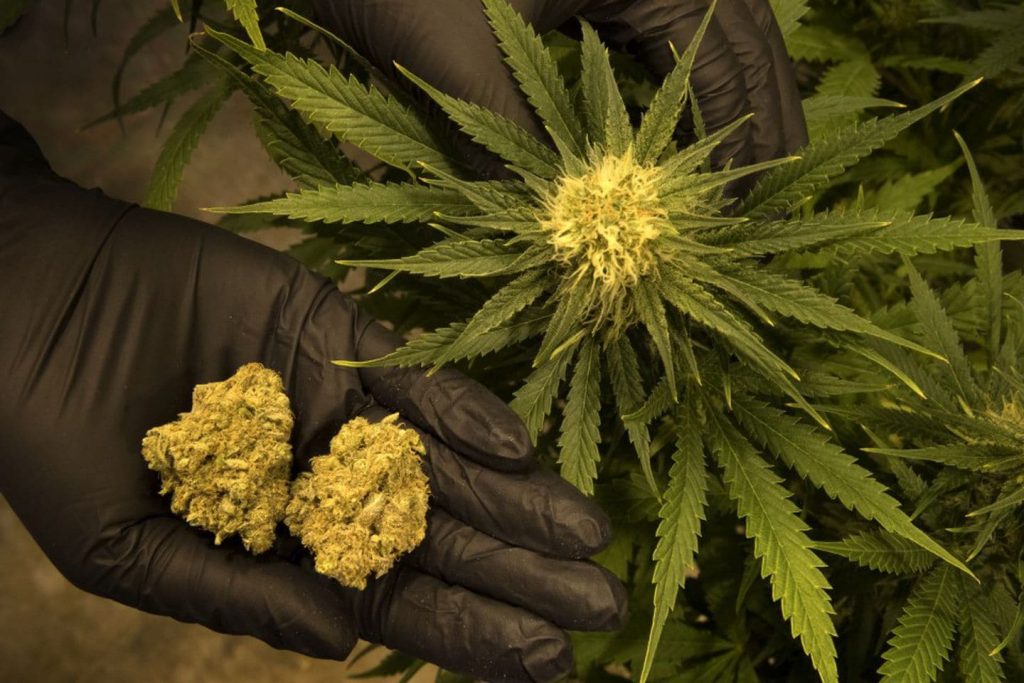
Both come from the same plant, contain components sought after for their health properties and have become established as useful products, although for very different reasons.
Hemp oil is made from the hemp plant. In other words, it is an extract of hemp taken from the seeds of the plant. While this type of oil can be extracted from all plants of the cannabis genus, industrial hemp is the only plant used for hemp oil. This variety is specifically produced on an industrial scale and the amount of psychoactive substances it contains is minimal.
CBD oil is extracted from the stems, leaves and shoots of the hemp plants and generally, the strains known to have the highest levels of CBD are chosen to maximize the potency of the final product.
The hemp plant and cannabis are cousins in the plant world, but cannabis has a much higher THC content than hemp; in fact, hemp oil contains low levels of CBD, usually less than 25 parts per million, while CBD oil can have up to 15 percent CBD.
Is CBD oil legal?
In the United States, under federal law, CBD is still considered illegal. However, as we all know, each state has its own laws and many of them have accepted the use of CBD. In fact, in many cases, the percentage of THC that is allowed is specified.
For this same reason, these products are classified as Schedule I drugs under the Controlled Substances Act.
This means that their production, distribution, and possession is illegal under federal law. For this reason, the transportation of cannabis between states, whether or not it has high concentrations of CBD, is prohibited.
However, the vast majority of states give it recognition and legality, particularly in the context of medical marijuana.
There are states where marijuana use, even for recreational purposes, is permitted. Most entities allow medical marijuana, and within this group, some states only allow CBD oil with a certain maximum percentage of THC.
Finally, there are five entities where all types of cannabis, including CBD products, are illegal.
In Alaska, California, Colorado, the District of Columbia, Maine, Northern Marianas, Massachusetts, Michigan, Nevada, Oregon, Vermont, Washington, on the Flandreau Santee Sioux Indian Reservation (South Dakota), Suquamish (Washington), Squaxing Island (Washington), marijuana is legal for all uses.
In Arizona, Arkansas, Connecticut, North Dakota, Delaware, Florida, Guam, Hawaii, Illinois, Louisiana, Maryland, Minnesota, Missouri, Montana, New Hampshire, New Jersey, New Mexico, New York, Ohio, Oklahoma, Pennsylvania, Puerto Rico, Rhode Island, Utah, West Virginia, Cannabis has been legalized for medicinal purposes.
And in Alabama (non-psychoactive oil), North Carolina, South Carolina (less than 0.9% THC), Georgia (less than 5% THC), Indiana (less than 0.3% THC), Iowa (less than 3% THC), Kansas (0% THC), Kentucky, Mississippi, Tennessee (less than 0.9% THC), Texas, Virginia (less than 5% THC), Wisconsin, Wyoming, CBD oil is legal under these conditions.
In Idaho, the U.S. Virgin Islands, Nebraska, South Dakota, and American Samoa, it continues to be illegal.
The legalization of CBD and cannabis in general in the United States is progressing by leaps and bounds.
And although at this moment there is no support from the Federal Government, more and more states are adapting their legislation to allow the recreational and medicinal use of this wonderful plant.
——————————————————————————————
Note: This material is for information purposes only and is NOT intended to provide medical advice. Neither the publishers, nor the author, nor the editor, assumes any responsibility for the possible consequences of any treatment, procedure, exercise, dietary modification, action or application of medication resulting from reading or following the information contained in this information.
Publication of this information does not constitute the practice of medicine and this material does not replace the advice of your physician or other health care provider. Before embarking on any course of treatment, the reader should consult his or her physician or other health care provider.

About Zoryham
Zoryham is a Political Scientist who has been a freelance writer and radio broadcaster for several years. Her niches include Music, Wellness, Healthy Lifestyle, Yoga, Personal Development, Animals and Product Reviews. When Zoryham is not writing, you can find her listening to a Rolling Stones album, her favorite band.