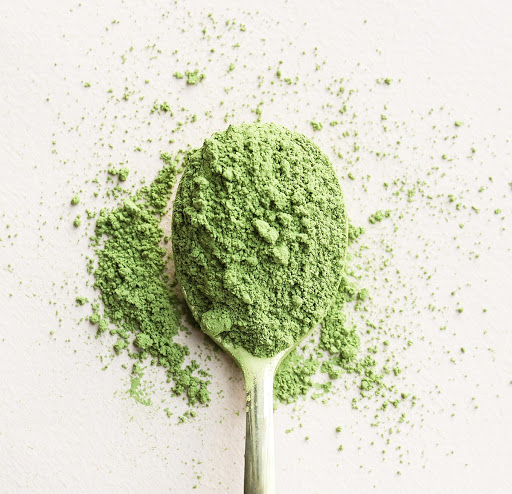
The Japanese matcha green tea, is day by day more popular all over the world. More and more people are inclined to drink it because of its unique taste and multiple positive health effects.
Matcha green tea contains a unique and powerful class of antioxidants known as catechins that are very beneficial and not found in other foods.
Among other effects, catechin provides powerful healing properties against cancer.
Drinking organic matcha green tea daily can help restore and preserve the overall well-being and balance of your body. But what is matcha green tea? I will explain it to you below.
What is matcha green tea powder?
Matcha green tea is the whole leaf from the Camellia Sinensis tree that is processed into a delicate powder that is sifted and then mixed with hot water. Because the process is very laborious, its price tends to be high.
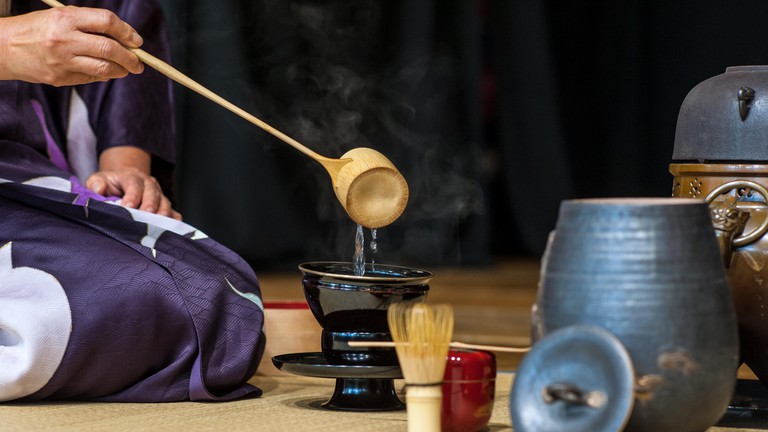
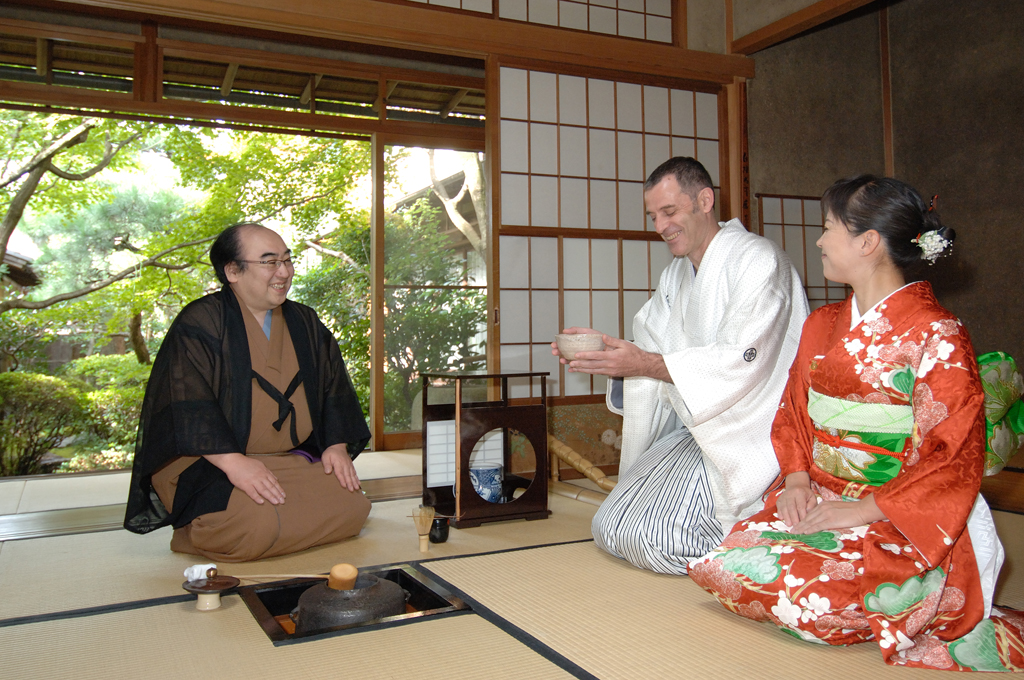
This exquisite drink has been used in traditional Japanese tea ceremonies for many centuries, in what is known as ceremonial grade matcha.
Today, it has experienced an increase in popularity due to its visual appeal, its exquisite taste and its great health benefits.
Matcha green tea is generally made in two forms: Usucha and Koicha. Usucha translates as “thin tea” and is the most common preparation served in cafes and restaurants.
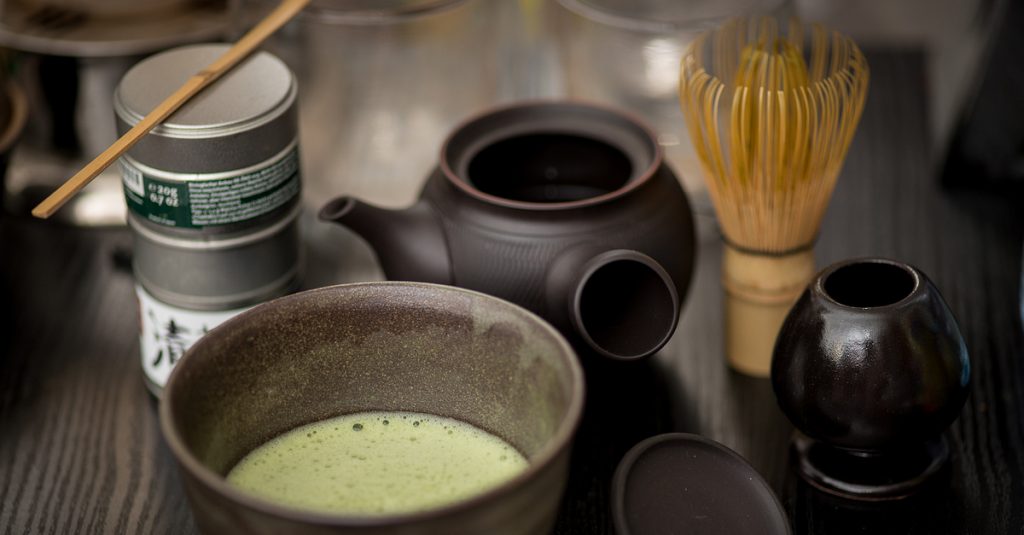
Koicha, on the other hand, is the thicker tea and is made with half the amount of water and twice the amount of matcha powder. Instead of beating quickly, the tea is gently kneaded using the chasen or bamboo whisk, resulting in a very thick tea.
Koicha is usually prepared during traditional tea ceremonies and is made from the highest quality powders. Usucha, on the other hand, is prepared with the second-highest grade of such powder and can never be exchanged.
Where does matcha green tea grow?
Matcha green tea leaves are grown in various places and many claim that the practice of grinding them into a fine powder comes from China around the 10th century.
However, the best ones come from Japan from the regions of Uji, Nishio, Shizuoka, and Kyushu, in the south of the country.
What most distinguishes matcha green tea from other teas is that the bushes are covered with curtains up to 20 days before the harvest, so the leaves are in the shade and not in direct sunlight.
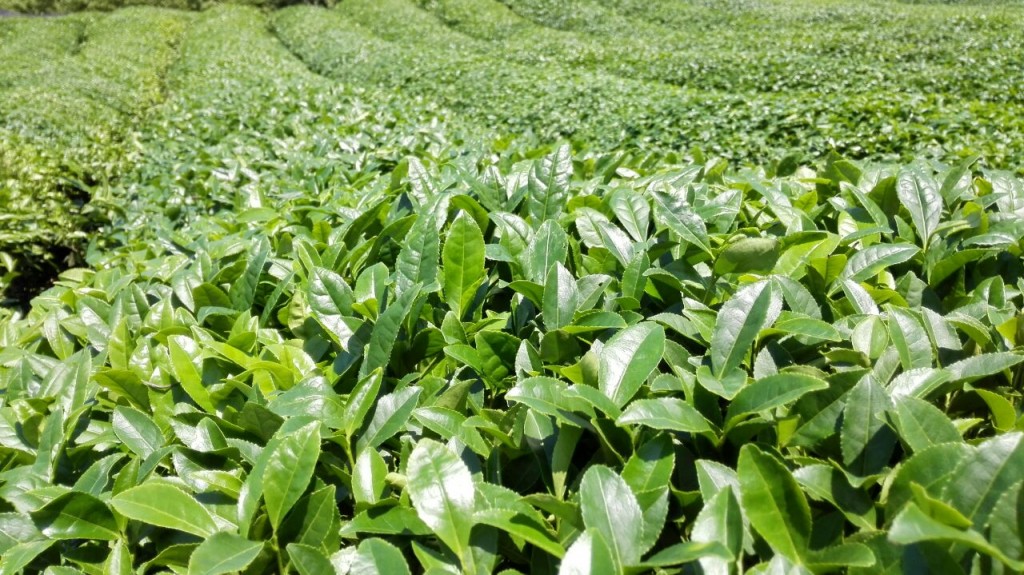
This is done to increase the plants’ chlorophyll levels and increase the production of L-Theanine, an amino acid that occurs naturally in the tea plant and certain types of mushrooms.
Workers only pick the best buds and the leaves are processed 24 hours after harvest. For matcha, the leaves are first steamed, then cooled down and dried, then ground to a fine matcha tea powder.
What does matcha green tea do?
Matcha green tea has countless benefits that will make you feel good inside and out. Let’s review some of them:
- Prevents cancer: As I said at the beginning, green tea contains powerful antioxidants called catechins that pick up dangerous free radicals in the body. The most powerful catechin found in green tea is EGCG (epigallocatechin gallate) which is believed to be a powerful anti-cancer.
A 2003 University of Colorado study confirmed that a cup of matcha green tea has 137 times the amount of EGCG compared to a conventional cup of green tea.
- Anti-Aging: One of the world’s longest-living places is Okinawa, Japan. The longevity of the people there has been attributed in part to the regular consumption of matcha green tea.
While it is the most famous tea in all of Japan, it is gaining much popularity around the world because of its ability to combat inflammation, oxidation and aging.
- Lowers bad cholesterol: A 2011 study presented in the American Journal of Clinical Nutrition showed that drinking green tea beverages or extracts significantly reduced serum total cholesterol and LDL cholesterol concentrations.
- Weight loss: A 1999 study presented in the American Journal of Clinical Nutrition showed that catechin-rich green tea extract has thermogenic properties and promotes fat oxidation beyond that explained by the caffeine content of the tea.
Another study showed that exercise immediately after drinking matcha green tea resulted in 25% more fat burning during exercise. Both of these studies suggest that matcha green tea may improve the resting metabolic rate and fat burning.
- Detox: As I said, matcha green tea is grown in the shade, which makes it much richer in chlorophyll than other green teas. It is believed to have detoxifying properties for the body, however, it is not clinically proven.
What is proven is that it can cleanse the body of toxins, heavy metals, poisons, dioxins, and hormone disruptors.
- Activate the mind: Matcha green tea contains up to 5 times more L-Theanine than conventional green tea, this is an amino acid with psychoactive properties capable of inducing activity in the alpha waves of the brain.
It is known that stress promotes the activity of the brain’s beta wave leading to a more agitated state. Alpha wave activity can soothe the brain, promote relaxation and even lower blood pressure.
Although matcha green tea contains some caffeine, the relaxing properties of L-Theanine counteract the nervous effects of caffeine. Therefore, a cup of matcha green tea promotes concentration and mental clarity without producing the nervous energy typically associated with coffee.
- Fiber: Matcha green tea leaves contain a high level of easily absorbed dietary fiber. The benefits of this include its ability to relieve constipation and stabilize blood sugar levels.
- Energy: Matcha green tea is an ideal substitute for coffee, providing an energy boost without the headaches associated with coffee.
Matcha green tea is good for weight loss?
If you want to lose weight, then you may want to incorporate matcha green tea into your nutritional regimen. Due to the manufacturing process involved in this type of powder, you can be sure that you will be taking in concentrated form, all the nutrients that are part of this noble plant.

The main antioxidant in green tea, EGCG which is linked to the potential benefits of weight loss and matcha green tea has three times more than regular tea according to an analysis published in the Journal of Chromatography in September 2003.
This means that the EGCG in matcha green tea can increase your metabolism during moderate-intensity exercise, which translates into improved weight loss.
According to this analysis, the extract of this type of tea increased the capacity to burn fat by approximately 17% when subjects exercised on bicycles for 30 minutes.
Benefits of matcha green tea
According to experts and connoisseurs, matcha green tea brings countless health benefits, just to name a few.
It is rich in antioxidants
Antioxidants are the magic nutrients and enzymes responsible for fighting the negative effects of UV radiation, giving the skin a younger appearance while helping to prevent multiple diseases
The first amazing benefit of matcha green tea is that just one cup provides 5 times more antioxidants than any other food.
It’s loaded with catechin and EGCG
As we’ve already said, green tea contains a specific set of organic compounds known as catechins. Among the antioxidants, catechins are the most powerful and beneficial.
A specific one called epigallocatechin gallate or EGCG, constitutes 60% of the catechins in matcha green tea and of all the antioxidants, EGCG is the most recognized for its anti-cancer properties. Scientists have found that matcha green tea contains 100 times more EGCG than any other tea on the market.
It improves calmness
For over a millennium, matcha green tea has been used by Chinese Taoists and Japanese Buddhist monks as a means to relax and meditate while remaining alert.
We now know that this higher state of consciousness is due to the amino acid L-Theanine contained in the leaves used to make matcha, as it promotes the production of alpha waves in the brain, which induces relaxation without drowsiness.
It increases memory and concentration
Another side effect of L-Theanine is the production of dopamine and serotonin, these serve to improve mood, enhance memory and promote better concentration and is something that of course can benefit us all.
It increases energy levels and stamina
The samurai and noble warriors of medieval Japan drank matcha green tea before going into battle because of its energizing properties.
The effects of a cup of matcha tea can last up to 6 hours and due to the effects of L-Theanine, those who drink this tea do not experience any of the side effects such as nervousness and hypertension that can occur with the intake of other stimulants. It is good and clean energy.
Burn calories
After numerous tests, it has been proven that drinking matcha green tea helps increase metabolism and burn fat about four times faster than the average.
It is especially good because it does not cause negative side effects such as increased heart rate or increased blood pressure.
It detoxifies the body
The high levels of chlorophyll in matcha green tea not only give it its beautiful vibrant green color, but it is also a powerful detoxifier, able to naturally remove heavy metals and chemical toxins from our body.
Strengthens the Immune System
It has been shown that the catechins present in matcha green tea have antibiotic properties that promote overall health.
Besides, just one cup provides substantial amounts of potassium, vitamins A and C, iron, protein and calcium. Other studies have even suggested that their nutrients may have the ability to inhibit HIV attacks in human T-cells.
Improves cholesterol
Researchers are not entirely sure how matcha green tea has such a positive effect on cholesterol. Studies in different populations have shown that people who drink it have lower levels of LDL cholesterol while showing higher levels of HDL cholesterol.

On the other hand, men who drink this delicious, organic drink are approximately 11% less likely to develop heart disease than those who do not.
It tastes great
Drinking something just because it’s healthy can sometimes be a little unpleasant. Fortunately, unlike many other teas that require sugar, milk or lemon to make them taste good, matcha green tea is wonderful on its own.
Its crunchy notes are complemented by the incredible taste of the amino acid L-Theanine making this a truly unique tea in every way.
On top of all this, the rich polyphenol compounds found in this tea, help reduce the risk of chronic diseases such as diabetes, osteoporosis and cancer, while helping to keep the brain healthy as it ages.
The plant polyphenols present in matcha are also recognized for their role in heart health, as they help in the fight against hardening of the arteries, better known as atherosclerosis.
Differences between culinary and ceremonial grade
When we talk about matcha green tea, you should know that there are two grades, one ceremonial and one culinary. Let’s briefly examine what each one is about.
Culinary grade
Culinary grade matcha green tea is sold to be used for various purposes. It is designed to be mixed with other ingredients as if it were a shake. For example, you order a green tea ice cream for dessert at a Japanese restaurant, it is made with this type.
This drink is more bitter and astringent than ceremonial grade teas and is often put into shakes to increase energy. It can also be used in many different types of baked goods.
Ceremonial grade
This is without a doubt the best of the matcha teas. It is made to be beaten with hot water and is used in the traditional Japanese tea ceremony. It has a delicate flavor and comes as a very fine powder in a beautiful and vibrant spring green color.

About Zoryham
Zoryham is a Political Scientist who has been a freelance writer and radio broadcaster for several years. Her niches include Music, Wellness, Healthy Lifestyle, Yoga, Personal Development, Animals and Product Reviews. When Zoryham is not writing, you can find her listening to a Rolling Stones album, her favorite band.